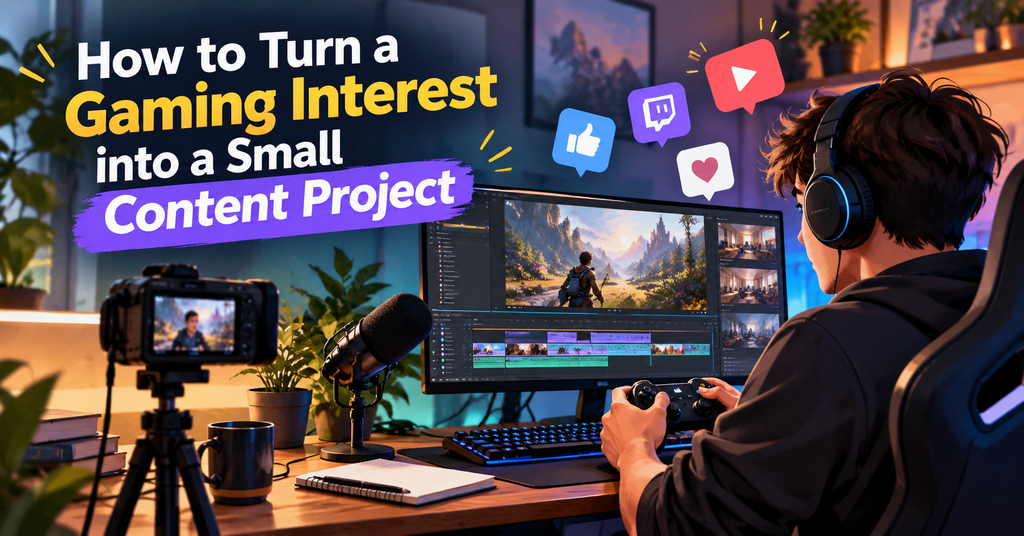
A gaming blog can begin with something small: a weekly roundup of new releases, thoughtful reviews of games you already play, or practical guides for people stuck on the same level. The hard part is usually not finding a topic. It is building a reliable publishing habit and helping the right readers discover your work.
That makes gaming content an appealing creative project for students, aspiring writers, and anyone curious about digital publishing. It combines entertainment with skills that can be useful elsewhere, such as research, editing, audience development, and even basic business planning. You do not need a huge platform to start, but you do need a clear idea of who you are writing for.
Choose a specific angle
“Gaming” is too broad to guide a new publication. A tighter focus gives readers a reason to return and helps you decide what to write next. You might cover cozy games for short evening sessions, explain mechanics in competitive titles, review independent releases, or explore how game soundtracks shape a player’s experience.
Think about the questions your intended readers actually ask. Beginners may want jargon-free explanations, while experienced players might look for strategy, patch analysis, or informed criticism. A useful article answers one clear question rather than trying to cover every aspect of a game at once.
Before committing to a schedule, write down a dozen possible article ideas. If you struggle to get beyond two or three, your niche may need refining. A short list also helps you avoid publishing several pieces that all make the same point.
Make each article worth a reader’s time
Strong gaming writing is more than a plot summary or a list of features. Add your own observations: explain why a combat system feels satisfying, how a level encourages exploration, or what a game does differently from others in its genre. When you make a judgment, support it with a specific example.
Keep practical details easy to scan. A review might state its platform and genre near the start, then separate discussion of gameplay, accessibility, and performance. A guide should use clear steps and mention relevant limitations, such as whether advice applies to a particular version. These small choices make an article more helpful without making it sound like a manual.
Accuracy matters, too. Check names, release information, and patch details before publishing. If you are discussing a preview or a changing game, say what version or point in time your comments reflect. Readers are more likely to trust a modest, well-supported claim than a sweeping verdict.
Find readers beyond your own site
Publishing only on your own blog can make discovery slow. Guest articles let you contribute to communities that already have an audience, provided the subject and tone fit the publication. A thoughtful piece for a strategy blog, for instance, may reach readers who would never have found a general gaming site through search.
Start by studying a publication’s recent posts. Notice its usual length, level of detail, and preferred topics. Then pitch a distinct idea rather than sending a generic offer to write about gaming. A concise proposal should explain the reader benefit, outline the main points, and show why the topic suits that particular site.
For research, this directory of gaming guest-posting sites brings together more than 1,400 gaming websites and blogs that accept contributed articles. Treat any directory as a starting point, not a guarantee: check each site’s current guidelines, audience, and editorial standards before pitching. A smaller number of well-matched submissions is usually more worthwhile than sending the same article idea everywhere.
Keep the project manageable
A content project should fit around the rest of your life. Set a schedule you can maintain, perhaps one polished article every two weeks rather than a daily post that quickly becomes a burden. Keep a running list of ideas, collect notes while you play, and reserve separate time for drafting and editing. That separation can make the work feel less overwhelming.
If you are studying or balancing other commitments, plan around your available hours instead of assuming every spare moment can become work time. For a practical comparison of student jobs, hours per week, and earning options, Osdire’s guide can help you think through what might fit your schedule. Its freelance marketplace covers services such as writing, design, video, and marketing, so a gaming publication could also become a place to practise skills that clients value.
Keep the business side simple at first. Track what you publish, where you pitch, and which pieces attract meaningful responses. If a topic consistently brings engaged readers, explore it further. If a format takes too long for little benefit, adjust it. The aim is not to turn every hobby into a company; it is to learn what you enjoy making and whether an audience finds it useful.
Build trust one useful post at a time
Gaming trends move quickly, but dependable writing lasts longer than a brief burst of attention. Be transparent about what you have played, avoid repeating claims you cannot support, and respect the time readers spend with your work. A clear voice and a steady record of helpful articles can turn a casual interest into a meaningful portfolio—and may open doors to writing, editing, community, or marketing work later on.